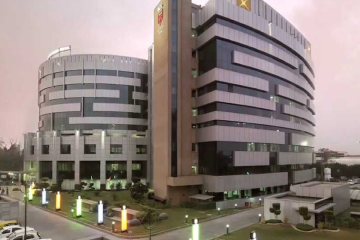
Today, with the advent of innovative devices on the medical equipment market, it has become possible to obtain detailed and high–quality images, including color ones. An ultrasound scan abroad will help identify any abnormalities in the work of internal organs and systems, muscles and fascia, and blood vessels. It is performed on the most advanced devices by doctors of the highest qualification category.
Indications for ultrasound examination abroad
Ultrasound is a "universal" diagnostic procedure. It is used to examine various organs and tissues, including the structures of the musculoskeletal system and the cardiovascular system.
Among the most popular ultrasound options are:
- Gynecological (transabdominal, transrectal, transvaginal
- TRUSSES of the prostate gland
- Dopplerography of veins and arteries
- Ultrasound of the lymph nodes
- Obstetric ultrasound (diagnosis at different stages of pregnancy)
- Ultrasound of muscles, joints and ligaments
- ultrasound of the thyroid gland
- Ultrasound of the abdominal cavity
- Ultrasound of the heart
Ultrasound examinations are prescribed for suspected diseases, including cancer. They are most often used to detect benign neoplasms, inflammatory processes of internal organs and soft tissues (including adnexitis and salpingoophoritis in women and prostatitis in men), deformities and lesions of joints, atherosclerosis and thrombosis. Ultrasound also helps to determine the fact of pregnancy, the number of embryos, and the pathology of fetal development during gestation.
In addition to diagnostic purposes, ultrasound equipment is used in the treatment process, for example, during minimally invasive operations. Punctures and biopsies are performed under ultrasound control.
Ultrasound result
As a result of ultrasound, the doctor can determine the following deviations::
- The presence of cysts, polyps, diverticula and other benign neoplasms
- Excessive accumulation of fluid in the chest and abdominal cavity
- The presence of potentially malignant tumors
- Enlargement and deformation of internal organs and soft tissues
- Plaques in blood vessels
- Occlusion and stenosis of veins and arteries
- Disorders of blood rheology
- Hyperplasia of the mucous membranes of internal organs of various etiologies
This allows us to outline a further diagnostic plan to clarify the pathology.
Ultrasound is easy, calm and comfortable for the patient, and does not require special training. During the diagnosis, the doctor describes what he sees on the monitor, and the assistant records the data in the hospital card. The document is then handed over to the attending physician for careful interpretation.