Surgical treatment of scoliosis is used in cases when conservative methods of therapy (rehabilitation, corsets) do not give the desired result or the curvature of the spine is too pronounced and progresses.
Indications for surgical treatment of scoliosis:
- The Cobb angle of curvature is more than 45°
- Progressive curvature, despite conservative treatment
- Cosmetic reasons
- Respiratory or cardiac complications due to scoliosis
- Back or limb pain
- Neurological disorders
There are several types of surgical interventions used for scoliosis:
- Posterior spinal fusion (fixation of the vertebrae from behind): The most common type of surgery is performed. Metal rods, screws and hooks are installed on the vertebrae, which fix the spine in the correct position.
- Anterior spinal fusion (fixation of the vertebrae from the front): It is used less often because it involves more risks. It is performed through the chest or abdominal cavity.
- Instrumental Posterior fusion: New rods and other devices allow the operation to be performed in a less invasive way than traditional posterior fusion.
- Rotational spondylotomy: It is used to correct the rotational curvature of the vertebrae. Part of the vertebra is removed to allow it to rotate into the correct position.
Before surgery, you must undergo a full medical examination, including X-rays, MRI and other examinations. The patient should stop smoking and limit the use of certain medications.
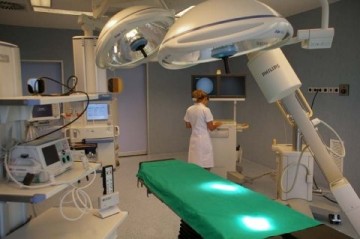
The operation is usually performed under general anesthesia and lasts for several hours. During the operation, the surgeon makes an incision in the back and removes a small part of the bone from the vertebrae. He then installs rods, screws, and other devices that hold the spine in the correct position. After that, spinal fusion is performed, which provides additional stability to the vertebrae.
After surgery, the patient usually stays in the hospital for several days. Then he will have a long period of rehabilitation, which includes physical therapy, wearing a corset and other measures to restore mobility and strength.
As with any surgical procedure, surgical treatment of scoliosis can have its own complications, such as:
- Infection
- The bleeding
- Nerve damage
- Constant pain
- Pneumonia
- Deep vein thrombosis
The prognosis after surgical treatment of scoliosis is usually favorable. Most patients have significant improvements in posture, pain reduction, and increased self-esteem.
However, surgery cannot completely fix scoliosis. The patient may have some residual spinal deformity, but it is usually less pronounced and does not cause significant health problems.