Radiofrequency ablation (RF) is a minimally invasive procedure used to treat arrhythmias, cardiac arrhythmias.
RFA involves the destruction of a tiny area of the heart muscle responsible for initiating or conducting an arrhythmia. This is achieved by applying a high-frequency electric current through a special catheter inserted into the heart through blood vessels. An electric current creates heat that damages the cells of the heart muscle, causing scarring. This scar blocks the conduction of electrical impulses and prevents the occurrence of arrhythmias.
RFA is usually indicated for the treatment of the following arrhythmias:
- Supraventricular tachycardia (NVT), including atrioventricular nodular reciprocal tachycardia (AVRT) and atrial flutter.
- Ventricular tachycardia (VT), especially persistent and life-threatening.
- Atrial fibrillation (AF) in combination with other treatment methods.
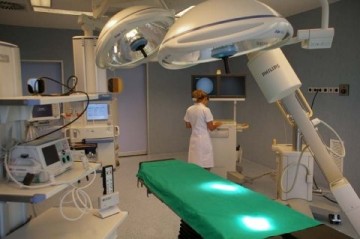
The RF procedure is usually performed in an electrophysiological laboratory. It includes the following steps:
- Insertion of catheters into the heart through blood vessels.
- Heart mapping to determine the exact source of the arrhythmia.
- The supply of radio frequency energy to create a scar and block abnormal electrical impulses.
- Post-ablation testing to confirm the elimination of arrhythmia.
Advantages of RF:
- High efficiency of treatment of many types of arrhythmias.
- Minimally invasive and short recovery period.
- Low risk of serious complications.
- The possibility of long-term control of arrhythmia and reduction of dependence on medications.
Like any medical procedure, RFA is associated with certain risks and complications, including:
- Bleeding or bruising at the catheter insertion site.
- Infection.
- Damage to surrounding tissues.
- The need for repeated ablation in case of recurrence of arrhythmia.
The prognosis after RF is usually good. In most patients, the arrhythmia is eliminated or significantly improved. However, some patients may require repeated ablation or other treatments to maintain control of the arrhythmia.