Duration of treatment
It takes 2 weeks from the time of leukocyte collection to the time of smart T cell transplantation. Leukapheresis itself lasts two to four hours and is performed once.
While waiting for the introduction of CAR-T lymphocytes, patients can receive intermediate chemotherapy, the purpose of which is to restrain the growth and spread of the formation.
Five days before the planned infusion of the modified leukocyte concentrate, the patient undergoes lymphodepletion, chemotherapy aimed at suppressing his own blood immunity. Its duration is approximately three days.
The infusion of CAR-T cells itself lasts up to half an hour. It is carried out once.
For two to three weeks (in some cases, up to a month) after T–lymphocyte transplantation, the patient is in the hospital under the close supervision of a doctor. This allows you to notice side effects or complications at an early stage and adjust treatment accordingly.
For several more weeks after discharge, the doctor recommends that the patient closely monitor his well-being and seek medical help at the first signs of side effects.
Adverse reactions of the body to therapy
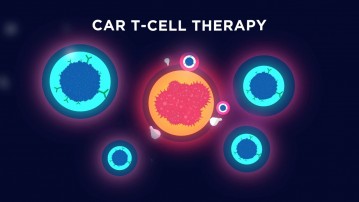
The main and most dangerous side effects of treatment with artificially altered T-lymphocytes are cytokine storm syndrome and neurotoxicity.
In the process of fighting the tumor, the altered leukocytes activate other immune cells, stimulating them to secrete a large number of biologically active substances – cytokines. This is accompanied by:
- an increase in body temperature to 38.0 ° C and above;
- reduction of blood pressure;
- pain in muscles, joints, headache;
- chills;
- marked general weakness;
- nausea, vomiting;
- tachycardia;
- dizziness.
Neurotoxicity (ICANS syndrome) is manifested by the following symptoms:
- tremor of the limbs and the whole body;
- speech disorders;
- drowsiness;
- confusion of consciousness;
- convulsions.
Also, people who have undergone modified lymphocyte transplantation have a high risk of lympho- and neutropenia associated with a high incidence of various infections.
The larger the tumor at the time of treatment and the dose of the concentrate administered, the higher the risk of adverse reactions. They should be expected within four weeks after the infusion, which is why the patient needs to be under medical supervision for the entire period.
Studies confirming the effectiveness of CAR-lymphocyte immunotherapy in oncopathology:
It should be understood that the use of CAR-T cells is not a panacea, it does not guarantee a 100% positive result. However, it is used in the most aggressive variants of neoplasms, in cases resistant to other therapies, in patients who had no chance of coping with cancer before the discovery of CAR therapy.
The conducted studies have shown good results of CAR therapy - the frequency of achieving remission in people whose disease did not respond properly to treatment by other means increased tenfold. This method is a chance for remission for those who have no alternative options to defeat the disease. The survival rate for one year after infusion of modified T-lymphocytes is 50-70%.