Indications for arthroscopy
Arthroscopy is performed if acute and chronic pathological processes in the joints are suspected. The procedure is also prescribed to determine the nature, location and specificity of the injury.
Diagnostic examination is relevant for the following symptoms::
- Joint pain
- Any discomfort associated with joint mobility (crunching, clicking, difficulty in flexion and extension, etc.)
- Swelling and hyperthermia of the skin surrounding the joint
- Stiffness of the joint in the morning
- Joint lability
- Visual deformation
Most often, arthroscopy is prescribed as a clarifying examination after ultrasound, radiography and MRI. The procedure can be purely diagnostic, as well as therapeutic and diagnostic in nature. During the visualization process, the doctor gets the opportunity to drain fluid from the joint, dissect adhesions and perform other manipulations aimed at restoring functionality.
Arthroscopy allows you to examine the hip, elbow, wrist, knee and ankle joints, as well as the spine.
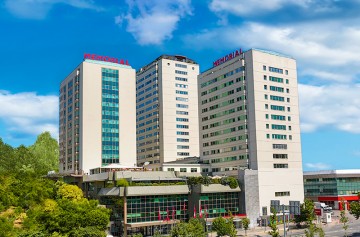
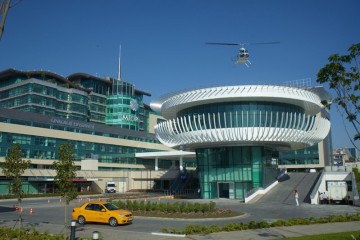
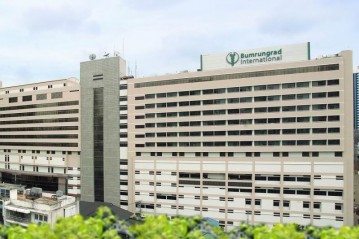
What is remarkable about arthroscopy abroad?
In foreign clinics, arthroscopy is performed according to modern standards, using high-tech equipment and tools. This reduces injuries, eliminates intraoperative blood loss, and reduces the risk of infection.
Depending on the patient's personal preferences and pain threshold level, arthroscopy is performed under general anesthesia or regional (local) anesthesia. In some cases, local anesthesia is sufficient, especially if the joint is small. Since arthroscopy is an invasive procedure, it requires a preliminary examination of the body and the exclusion of contraindications. For this purpose, the patient undergoes a standard package of studies.
The procedure takes place in the supine position. The doctor makes a miniature (4-7 mm) incision and inserts a probe with optics into it for display on a monitor. The second puncture is done in cases where the doctor plans to perform surgical procedures during the study.
Arthroscopy lasts from 15 minutes to 1 hour, depending on the scope of the tasks. The diagnostic process is recorded on a digital medium. After completing the examination, the doctor sutures the wounds and applies a tight surgical bandage.
The advantages of arthroscopy in foreign clinics include the following:
- Low volume of injured tissues
- Absence of heavy blood loss
- Reduced risk of infection
- Quick and easy rehabilitation
- Using advanced technology
- Systematization and storage of medical history in digital format
- Individual approach
- Literacy and experience of practitioners
Patients who have undergone therapeutic arthroscopy require rehabilitation. Doctors prescribe physical therapy, physiotherapy and spa activities for them. For patients whose procedure is limited to diagnostic purposes, it is recommended only to limit joint mobility for 2-4 days.