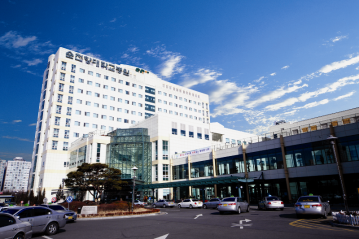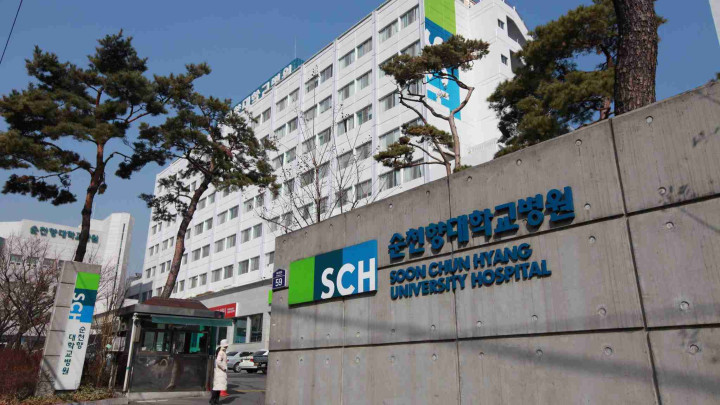
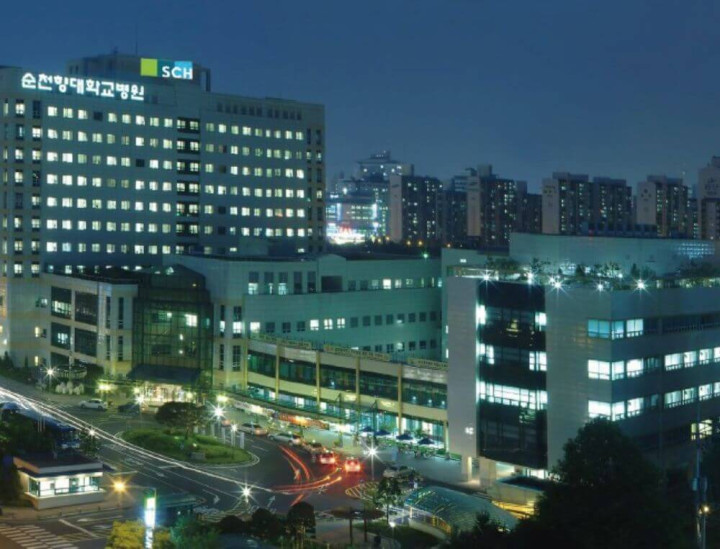
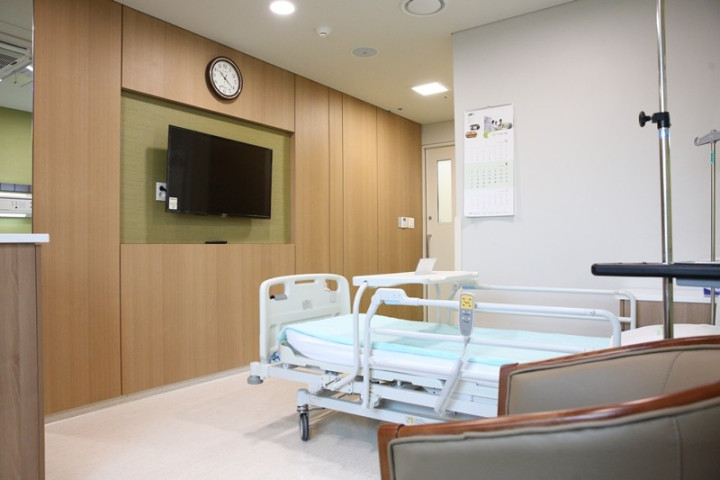
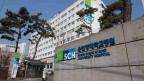
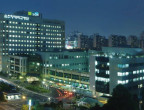
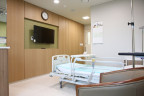


Soonchunhyang University Hospital Bucheon — Key Information
Official Name:
- EN: Soonchunhyang University Hospital Bucheon (SCH Bucheon)
- KR: 순천향대학교 부속 부천병원
Country, City, Address:
South Korea, Gyeonggi-do Province, Bucheon City, Wonmi-gu District, 170 Jomaru-ro, Bucheon-si, Gyeonggi-do, 14584. Bucheon is a satellite city west of Seoul, part of the Seoul–Incheon metropolitan area. Accessible via Bucheon Station (Line 1). Approximately 40 minutes from Incheon International Airport (ICN).
Year of Foundation:
2001 — confirmed. The fourth and newest hospital in the Soonchunhyang network (after Seoul in 1974, Gumi in 1979, and Cheonan in 1982). Built as a tertiary-level regional center for the western part of Gyeonggi Province, serving a population of about 2 million.
Type of Clinic:
Tertiary-level university teaching hospital (advanced general hospital). Clinical base for Soonchunhyang University College of Medicine. Over 957 beds, 31 departments, 108 specialized clinics, and 16 centers. Approximately 300 professor-physicians and ~600 nurses. Accredited by the Ministry of Health and Welfare of Korea. In 2020, it ranked 1st in the national patient experience assessment by HIRA.
Main Specializations:
| Specialty | Details |
|---|---|
| Liver Transplantation | Flagship program. First in Korea to perform ABO-incompatible living-donor liver transplantation (ABOi-LDLT) in 2016. Also offers combined liver–kidney transplants and bloodless liver transplants (for Jehovah’s Witnesses). Supported by peer-reviewed publications. |
| Robotic Surgery (Da Vinci Xi) | Over 500 robotic-assisted procedures. Applications in oncourology (kidney, prostate, bladder cancer), colorectal cancer, GI tumors, gynecology, and thoracic surgery. |
| Gastroenterology & Endoscopy | Endoscopy Center has received the national “Top-Level Department” certification three times. First in Korea to adopt the EU-ME3 ultrasound endoscopic processor (2025). Focus on incisionless treatments and early cancer detection. |
| Oncology & Radiation Therapy | TomoTherapy, radiosurgery, chemotherapy, and targeted therapy. Treatments for gastric, colorectal, liver, pancreatic, lung, kidney, bladder, prostate, breast, cervical, ovarian, endometrial, and brain cancers. |
| Cardiology & Cardiac Surgery | Coronary artery disease, arrhythmias, valvular heart disease, heart failure; valve and vascular surgeries. |
| Thoracic Surgery | Lung cancer, mediastinal tumors; minimally invasive and thoracoscopic procedures. |
| Neurosurgery & Neurology | Brain tumors, disc herniations, vascular aneurysms, trauma; Parkinson’s disease, tremor, dystonia, chronic pain, and deep brain stimulation (DBS). |
| Orthopedics & Spine | Knee and hip arthroplasty, spinal surgery. |
| Rehabilitation | Onco-rehabilitation, cardio- and pulmonary rehab, geriatrics, sports medicine. |
| Ophthalmology | Treatment of macular degeneration and cataracts. |
| Pediatrics & Neonatology | Regional neonatal intensive care unit (NICU). |
| Emergency Medicine | Regional emergency center (권역응급의료센터) with 24/7 operations and a dedicated pediatric emergency stream. |
Key Technologies:
- ABO-Incompatible Liver Transplantation (LDLT) — using rituximab and plasmapheresis for desensitization. Reported survival rates: 73% (1‑year), 64% (2‑year), and 77.8% (3‑year, excluding non-transplant-related deaths).
- Bloodless Liver Transplantation — for Jehovah’s Witnesses. Combines erythropoietin stimulation (Hb increase from 7.4–8.1 to 10.8–13.1 g/dL), acute normovolemic hemodilution (ANH), intraoperative blood salvage (Cell Saver), and tranexamic acid. Two successful cases documented in Koreamed Synapse.
- Combined Liver–Kidney Transplantation — first performed in 2016.
- Da Vinci Xi Robotic-Assisted Surgery — over 500 procedures; includes kidney-sparing tumor resections and nerve-sparing prostatectomies.
- TomoTherapy — high-precision radiotherapy with minimal impact on healthy tissue; also used for total body irradiation prior to bone marrow transplantation.
- EU-ME3 Endoscopic System — first installation in Korea (2025); high-end ultrasound endoscopy for pancreas, biliary tract, and GI diagnostics.
- Regional Emergency Center — 24/7 service, including a separate pediatric emergency pathway.
Conditions Treated:
| Condition Group | Specific Conditions |
|---|---|
| Oncology | Gastric, colorectal, liver, pancreatic, lung, kidney, bladder, prostate, breast, cervical, ovarian, endometrial, brain cancers |
| Transplantology | Liver cirrhosis, acute liver failure, hepatocellular carcinoma, end-stage renal disease |
| Cardiovascular | Coronary artery disease, acute myocardial infarction, arrhythmias, valvular disease, heart failure |
| Neurology | Parkinson’s disease, tremor, dystonia, neuropathies, chronic pain, headaches, low back pain |
| Gastroenterology | Gastritis, peptic ulcer, polyps, GERD, inflammatory bowel disease, GI tumors |
| Orthopedics | Disc herniation, spinal stenosis, osteoarthritis, fractures, sports injuries |
| Urology | Kidney stones, benign prostatic hyperplasia, kidney and bladder cancer |
| Pulmonology | Lung cancer, mediastinal tumors |
| Pediatrics | Pediatric infections, lymphadenitis, congenital anomalies, neonatal pathology |
| Ophthalmology | Macular degeneration, cataracts |
International Center:
Yes. The International Medical Center opened in 2009. Services include pre-registration and treatment plan evaluation before arrival, visa support, interpreters, outpatient/inpatient coordination, transfers, and a dedicated waiting area for international patients. The hospital maintains a strong patient database from Russia, Central Asia, and Mongolia. It has an official cooperation agreement with the National Medical University of Kazakhstan (2023). Hospital Director Moon Jong-ho was appointed Honorary Professor at KazNMU (2025).
Languages:
Korean (primary), Russian (dedicated coordinators and Russian-language international website), Mongolian, and English. The international website is available in four languages: Korean, English, Russian, and Mongolian.
Doctors / Leading Specialists:
| Name | Position | Experience |
|---|---|---|
| Dr. Moon Jong-ho | Hospital Director; Gastroenterology | Leads the hospital; Honorary Professor at KazNMU (2025). Oversees international cooperation with Central Asia and a Cleveland Clinic exchange program. |
| Prof. Shin Hwa Kyun | Professor and Head of Cardiovascular & Thoracic Surgery | Graduated from Soonchunhyang University (1990). Trained at Oregon Health & Science University (OHSU, USA) in minimally invasive and robot-assisted lung cancer surgery. Specializes in thoracic oncology, vascular surgery, and varicose veins. Author of studies on ARDS, ECMO, and aortoesophageal fistulas. |
| Prof. Yoo Jeong-Ju | Gastroenterology & Hepatology | Expert in managing immunotherapy complications in hepatocellular carcinoma. Published in international journals on onco-hepatology. |
| Prof. Lee Seung Hoon | Transplant Surgery | Lead surgeon for the ABO-incompatible liver transplant program. Author of research on ABOi-LDLT survival outcomes. |
| Dr. Han Sangsoo | Emergency Medicine | Associate Professor of Emergency Medicine. Member of the Board of Directors of the World Association for Disaster and Emergency Medicine (WADEM). Led the hospital’s COVID-19 treatment program for international patients. |
Equipment :
| Equipment | Purpose |
|---|---|
| Da Vinci Xi (Intuitive Surgical) | Robotic-assisted surgery (oncourology, colorectal, gynecology, thoracic surgery) |
| TomoTherapy | High-precision radiotherapy; total body irradiation for bone marrow transplant preparation |
| PET-CT | Nuclear oncology diagnostics |
| 3.0T MRI | High-field magnetic resonance imaging |
| Multi-slice CT | High-resolution computed tomography |
| EU-ME3 Endoscopic System | Ultrasound endoscopy (first in Korea, 2025) |
| Cell Saver | Autologous blood recovery for bloodless surgeries and transplants |
| Regional Emergency Center | 24/7 emergency care with a dedicated pediatric stream |
Specific models and generations of MRI, CT, and PET‑CT systems are not publicly listed.
Photos:
Available on the Russian-language version of the international website, the hospital’s YouTube channel (virtual tours, clinical cases, educational videos), medical tourism aggregators, and VK social media pages.
Official Websites:
- International Center (Russian):https://international.schmc.ac.kr/bucheonRus/index.do
- International Center (English):https://international.schmc.ac.kr/bucheonEng/index.do
- Hospital (Korean):https://schmc.ac.kr/bucheon/index.do
Contacts:
- International Center: +82‑32‑621‑5049
- General Inquiry: +82‑32‑621‑5114
- Fax: +82‑32‑621‑6933
- Email:international@schmc.ac.kr
- Hours: Mon–Fri 08:00–16:30, Sat 08:00–11:30; Emergency services — 24/7
Accreditations & Awards:
- Highest Category accreditation from the Ministry of Health and Welfare of Korea
- 1st Place in the national HIRA patient experience assessment (2020, jointly with Soonchunhyang Cheonan)
- Top-Tier Quality Rating by HIRA for imaging diagnostics (CT, MRI, ultrasound) in 2024
- Endoscopy Center — three-time recipient of the national “Top-Level Department” certificate
Key Differentiator:
Soonchunhyang Bucheon (opened 2001) is a modern university hospital with three standout strengths: liver transplantation (including ABO-incompatible and bloodless transplants — a national pioneer), Da Vinci Xi robotic surgery (over 500 procedures), and a top-tier endoscopy center (first in Korea to implement the EU‑ME3 system). Compared to the Seoul branch, Bucheon has stronger capabilities in transplantology and thoracic surgery and a more developed regional emergency center. Its Russian-language international department and focus on patients from Russia and Central Asia is a notable advantage.
The information was last verified on 07.10.2026.

 Gastroenterology

 Oncology

 Orthopedics

 Pediatrics

 Transplantation