

Official Name:
- EN: Nanoori Hospital (Spine & Joint Specialty Hospital)
- KR: 나노리병원
Country, City, Address:
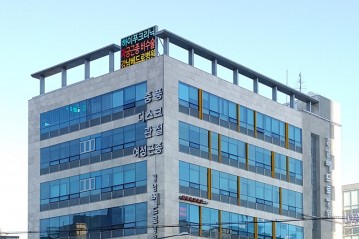
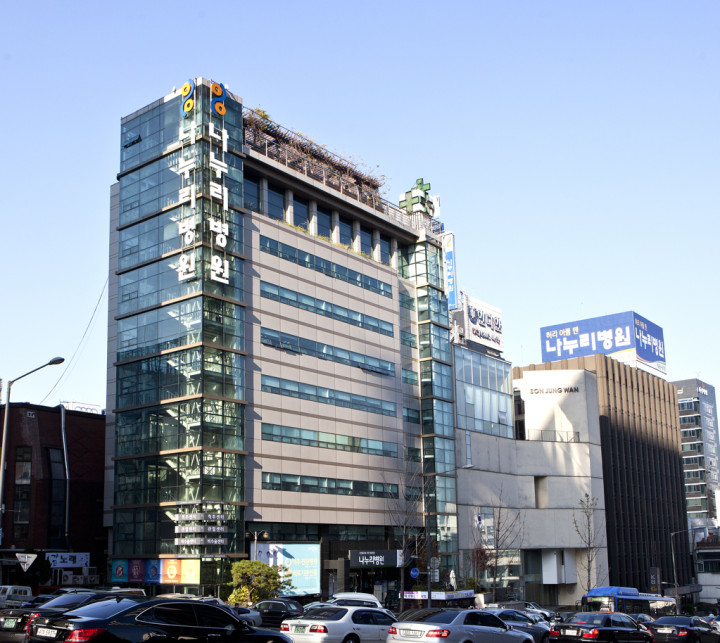
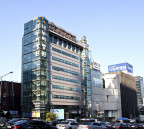
South Korea, Seoul, Gangnam‑gu District, 731 Eonju‑ro. Includes the main building (inpatient unit) and the new treatment building.
Nearest metro: Hakdong Station (Line 7), Exit 10 — approx. 10‑minute walk (~750 m).
Year of Foundation:
2003 — confirmed. The first hospital of the network opened in Gangnam (Seoul). Subsequent expansions: Incheon (2008), Gangseo (2009), Suwon (2013), Jujeong (2015). A branch in Dubai (UAE) opened in 2020.
Type of Clinic:
Specialized hospital (classified as a hospital under Korean regulations, not a clinic). 100–299 beds. Approx. 20 physicians. A network of 5 hospitals in Korea + 1 in Dubai. Over 235,000 procedures performed since 2003. Treats approximately 58,000 patients annually.
Main Specializations:
| Specialty Area | Details |
|---|---|
| Spinal Neurosurgery | Endoscopic disc surgery (PELD), microdiscectomy, total disc replacement, spinal fusion, reconstructive surgeries, spinal tumor treatment. |
| Orthopedics (Joints) | Robotic knee and hip arthroplasty, arthroscopy (shoulder, knee, elbow, wrist, ankle), correction of O‑leg deformities, sports injury treatment. |
| Non‑Surgical Pain Management | Nerve branch blocks, radiofrequency therapy, extracorporeal shockwave therapy, proprietary ESMA method, manual therapy. |
| Stem Cell Therapy (Regenerative) | Mesenchymal stem cells for cartilage regeneration; autologous bone marrow injections for arthritis. |
| Thoracic Surgery (Chest Wall Deformities) | Treatment of pectus excavatum (sunken chest) and pectus carinatum (pigeon chest); proprietary Park’s Technique. |
| Vascular Surgery | Treatment of varicose veins and venous insufficiency. |
| Neurology | Headaches, dizziness, sleep disorders, stroke, dementia, epilepsy, neuropathies. |
| Rehabilitation | MEDX (isolated spinal muscle training), BIODEX (customized joint rehabilitation). |
Key Technologies:
- Minimally Invasive Endoscopic Spinal Surgery (PELD/UBE) — single‑port and bi‑portal endoscopy; herniated disc removal via ~5 mm incision under local anesthesia.
- Robotic Joint Arthroplasty — confirmed on physicians’ profiles (e.g., Dr. Kim Joong Hyuk: “Robotic knee replacement surgery”; Dr. Lim Jae Chang: “Robotic joint replacement surgery”).
- ESMA — proprietary method combining extracorporeal shockwave therapy (ESWT) with manual therapy.
- MEDX — isolated spinal muscle training system.
- BIODEX — customized joint rehabilitation system.
- Park’s Technique — proprietary thoracic surgeon Park Hyung Joo’s method for correcting pectus excavatum/carinatum using a specialized curved thoracoscope (Park’s Pectoscope).
- Stem Cell Therapy — mesenchymal stem cells for cartilage tissue regeneration.
- Kyphoplasty/Vertebroplasty — stabilization of vertebral compression fractures via bone cement injection.
- Partnership with Stanford University Medical Center (2005) — exchange of expertise and technologies.
Conditions Treated:
| Condition Group | Specific Diagnoses |
|---|---|
| Spine | Cervical/lumbar disc herniations, spinal stenosis, spondylolisthesis, degenerative spinal diseases, scoliosis, lordosis, kyphosis, spinal tumors, osteoporotic compression fractures. |
| Joints | Knee/hip osteoarthritis, rotator cuff injuries, shoulder dislocations, cruciate ligament tears, meniscus injuries, sports‑related injuries, osteoporosis. |
| Chest Wall | Pectus excavatum, pectus carinatum, rib deformities. |
| Vessels | Varicose veins, venous insufficiency. |
| Neurology | Headaches, dizziness, sleep disorders, stroke, dementia, epilepsy, peripheral neuropathy, facial nerve palsy, tremor. |
| Pain | Chronic back/neck/joint pain, sciatica, muscular pain. |
International Center:
Yes. The International Healthcare Center provides coordinators fluent in English, Russian, and Mongolian. Services include: pre‑arrival online consultations, preliminary treatment plan evaluation, interpreter/escort support at all stages (consultation → diagnostics → treatment → hospitalization → discharge), and visa assistance.
Languages:
Korean, English, Russian, Mongolian — via in‑house coordinators. Additional languages: Chinese, Japanese, Arabic — available by prior arrangement.
Doctors / Leading Specialists:
| Name | Position | Expertise |
|---|---|---|
| Dr. Jang Il Tae | Chairman, Founder, Neurosurgeon | Disc herniations, stenosis, reconstructive surgery, chronic pain. Over 8,000 surgeries (Korea’s record for highest number in shortest time). Professor at Korea University, Ewha, Yonsei. Pioneered “cement therapy” (1997) and “one‑day cervical disc surgery” in Korea. |
| Dr. Lim Jae Hyeon | Chief Physician, Neurosurgeon | Spinal microsurgery, minimally invasive fusion, tumors. Co‑founder of Nanoori (2003). Director of the Korean Society of Spine Neurosurgery. |
| Dr. Kim Jin Uk (Alex) | Lead Physician, Neurosurgeon | Spinal endoscopy, deformity correction (scoliosis, kyphosis), artificial discs. |
| Dr. Lee Jun Ho (Luke) | Chief of Department, Neurosurgeon | Bi‑portal endoscopy, stenosis, spondylolisthesis. |
| Dr. Jung Yun Kyo | Deputy Director, Neurosurgeon | Spinal endoscopy, interventional pain therapy, varicose veins. Former head of Neurosurgery at Gangnam St. Peter’s Hospital. |
| Dr. Kim Joong Hyuk | Lead Physician, Orthopedic Surgeon | Robotic knee arthroplasty, arthroscopy, varicose veins, bone marrow injections. Fellow at Samsung Seoul Hospital. |
| Dr. Lim Jae Chang | Lead Physician, Orthopedic Surgeon | Robotic joint replacement, O‑leg correction, arthroscopy. |
| Dr. Moon Seong Cheol | Lead Physician, Orthopedic Surgeon | Shoulder/knee joints, rotator cuff, sports injuries, arthroscopy. |
| Dr. Seo Hyun Seok | Deputy Director, Orthopedic Surgeon | Robotic arthroplasty, arthroscopy of all joints, microvascular surgery, sports medicine. |
| Dr. Park Hyung Joo | Thoracic Surgeon | Chest wall deformities (pectus). Former professor at Seoul St. Mary’s Hospital; internationally recognized expert. |
| Dr. Kim Seung Bum | Lead Physician, Neurosurgeon | Geriatric spinal pathology, osteoporotic fractures. |
| Dr. Lee Min Young | Head of Neurology | Headache, dizziness, sleep disorders, stroke, dementia. |
| Dr. Kwon Yong Jin | Surgeon | Anterior spinal fusion, varicose veins, venous insufficiency. |
Confirmed Equipment:
| Equipment | Purpose |
|---|---|
| MRI | Diagnostics for spine and joints. |
| C‑arm (intraoperative fluoroscopy) | Intraoperative imaging for endoscopic procedures. |
| Spinal Endoscope | Single‑port (PELD) and bi‑portal (UBE) endoscopic surgery. |
| Surgical Microscope | Microsurgical spinal procedures. |
| Robotic System for Joint Arthroplasty | Robot‑assisted knee replacement (confirmed on physician profiles). |
| Arthroscope | Arthroscopy of shoulder, knee, elbow, wrist, and ankle. |
| MEDX System | Isolated training of spinal muscles. |
| BIODEX System | Customized joint rehabilitation program. |
| Extracorporeal Shockwave Therapy (ESWT) | Non‑surgical pain treatment. |
| Radiofrequency Ablation System | Radiofrequency pain treatment. |
| Park’s Pectoscope (curved thoracoscope) | Proprietary system for pectus surgery. |
| Ultrasound with Hydro‑puncture | Ultrasound‑guided joint injections. |
Specific models of MRI, C‑arm, and robotic systems are not publicly listed.
Photos & Media:
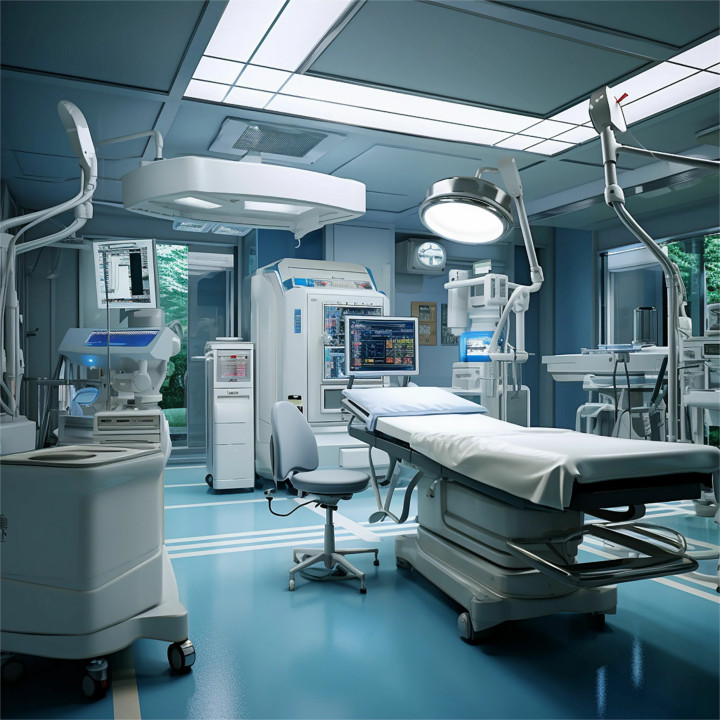
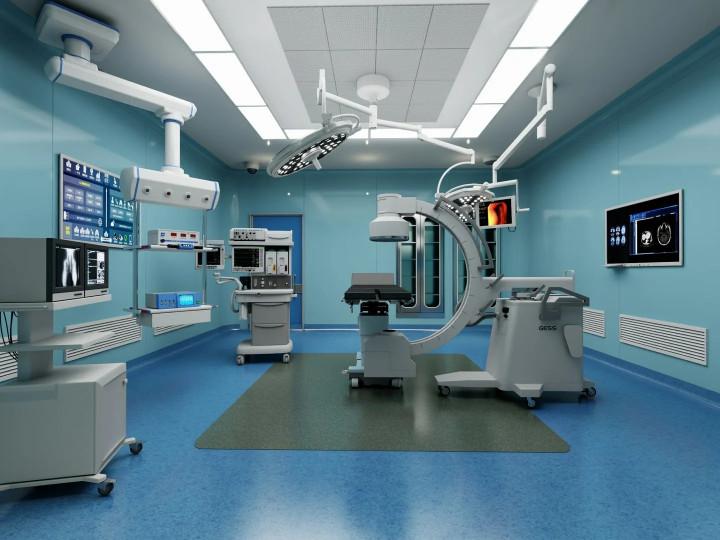
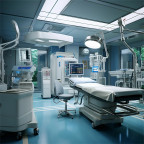
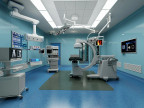
Available on the international website’s Russian version (building, interiors, operating rooms, wards, examination rooms), on the hospital’s YouTube channel, and on The Pylon Square page with an image slider.
Official Websites:
- International Center (Russian):https://ihc.nanoori.co.kr/ru
- International Center (English):https://ihc.nanoori.co.kr/
- Spine Center (English):https://www.koreaspineclinic.com/
- Orthopedics (English):https://www.seoulorthopedics.com/
Contacts:
- Phone: +82‑2‑3446‑9797
- WhatsApp: +82‑10‑6290‑9796
- Email:ihc_info@mfnanoori.co.kr
- Hours: Mon–Fri 09:00–18:00, Sat 09:00–13:00 (break 13:00–14:00); closed Sundays and public holidays.
Accreditations & Awards:
- Specialized Spine Hospital — designation by the Ministry of Health and Welfare of Korea, awarded 5 times consecutively.
- Certified Healthcare Facility (MOHW) — 4‑year certification (Dec 2023 – Dec 2027), evaluated against 500+ criteria.
- International Educational Center for Spinal Treatment (2016).
- Global Healthcare Award (2021).
- Partnership with Stanford University Medical Center (2005).
- Successfully treated a 101‑year‑old patient (2024).
Key Differentiator:
Nanoori Hospital is Korea’s largest network of specialized spine and joint hospitals (5 branches + Dubai), with over 235,000 procedures performed since 2003 and 5‑time designation as a Specialized Spine Hospital by the Ministry of Health. The clinic’s philosophy is “conservative treatment first, surgery only when necessary.” Unique strengths include the proprietary ESMA method (shockwave + manual therapy), stem cell cartilage regeneration, robotic joint replacement, and treatment of chest wall deformities via Park’s Technique. The Russian‑language international department, Russian‑language website, and accreditation for foreign patients make it particularly accessible to patients from the CIS region.
The information was last verified on 07.10.2026.